Are Iran Oil Sanctions Waivers Relief for Tehran or Leverage for Washington?

The United States has signaled it will issue a one-month waiver allowing limited sales of sanctioned Iranian oil, aiming to calm global markets amid heightened geopolitical tensions. While the move may offer Tehran short-term relief, it ultimately reinforces Washington’s control over Iran’s oil revenues and exports. U.S. Treasury Secretary Scott Bessent described the measure as […]

Are Iran Oil Sanctions Waivers Relief for Tehran or Leverage for Washington? Read More »
tanker, ship, oil tanker, tanker, tanker, tanker, tanker, oil tanker, oil tanker, oil tanker, oil tanker, oil tanker

Iran Is Not Just Holding Oil Markets Hostage—It Is Mocking Them

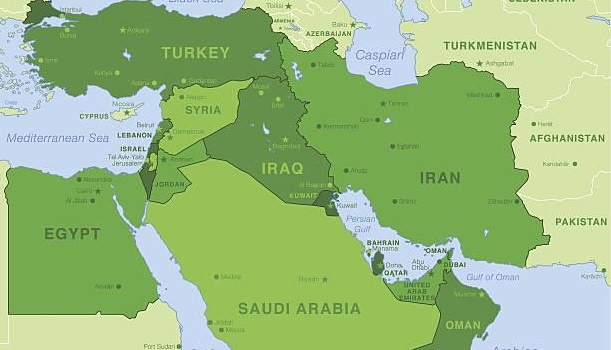
Analysts often describe geopolitical crises as “holding hostage” global oil markets. But the latest developments in the Persian Gulf suggest something more striking: Iran is not merely disrupting the system; it is openly defying it. Iran has shut down traffic through the Strait of Hormuz and has targeted at least fifteen tankers and commercial vessels.

Iran Is Not Just Holding Oil Markets Hostage—It Is Mocking Them Read More »

Iran shields its oil exports as Hormuz flows falter

hile Iran has effectively choked off oil exports by its Arab neighbors through the Strait of Hormuz, it has continued shipping its own crude largely uninterrupted. Since the start of joint US–Israeli strikes on February 28, Iran has targeted at least 16 vessels and tankers, sharply curbing flows through one of the world’s most critical

Iran shields its oil exports as Hormuz flows falter Read More »

pexels-photo-35416117-35416117.jpg

Hormuz disruption tests limits of global energy markets

Failure to restore shipping through the Strait of Hormuz is beginning to show what prolonged disruption could mean for global energy markets. Early volatility has been sharp but manageable, yet the longer the disruption lasts, the greater the risk that physical shortages—rather than price swings—will drive the crisis. In recent days, Iranian attacks have expanded

Hormuz disruption tests limits of global energy markets Read More »

Attacks on Tehran’s Fuel Storage and Energy Infrastructure Will Have Consequences

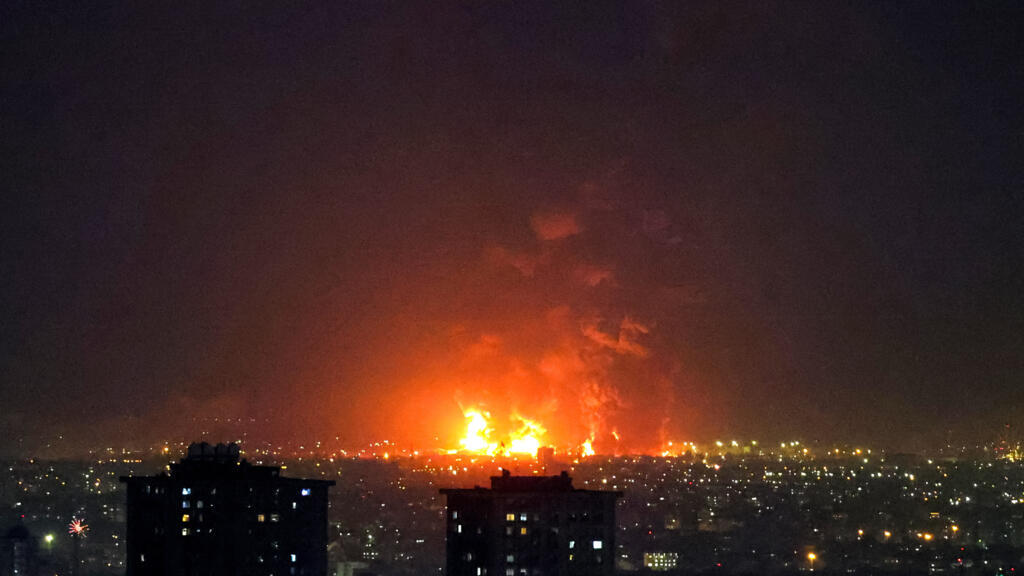
The Israeli military has announced that it targeted fuel storage facilities linked to the Islamic Revolutionary Guard Corps in Tehran on March 7, 2026. Videos circulating online show massive flames and thick plumes of smoke rising from oil depots in Tehran and Karaj. Tehran Governor Mohammad Sadegh Motamedian said on March 8 that fuel supply

Attacks on Tehran’s Fuel Storage and Energy Infrastructure Will Have Consequences Read More »

Iran’s oil weapon may rattle markets but not alter the war

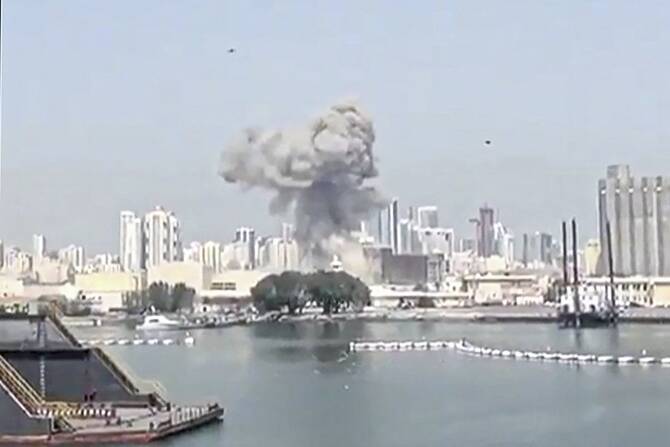
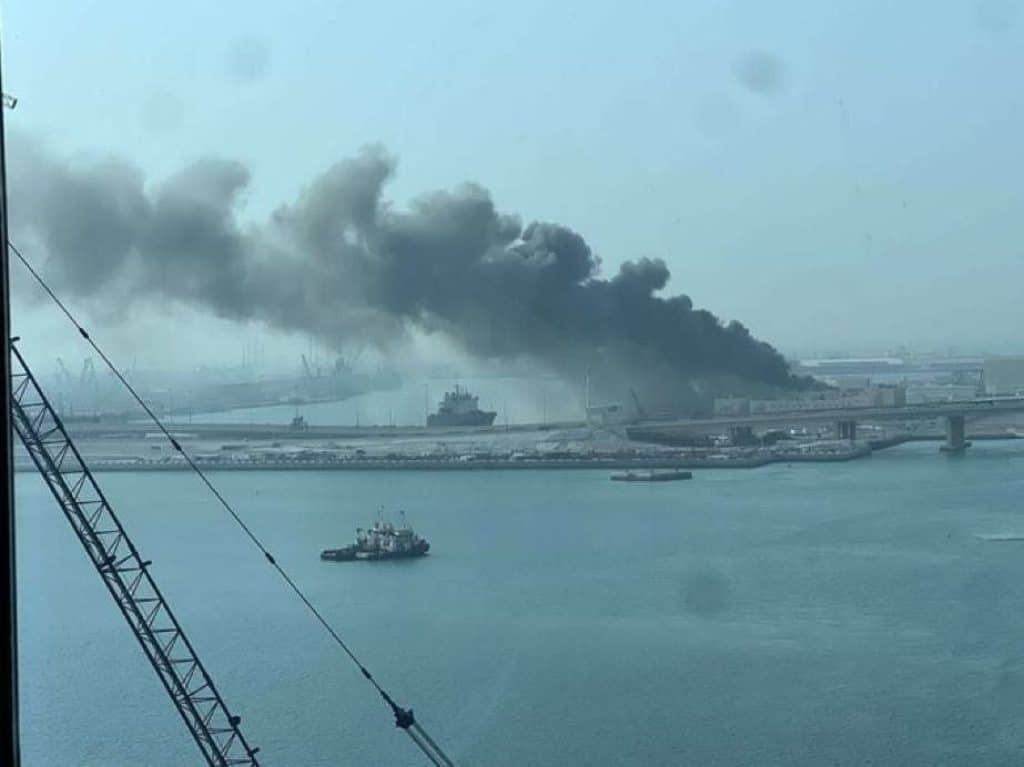
Iran has shown it can disrupt regional energy flows. What remains far less clear is whether it can use that leverage to shape the outcome of the conflict in its favor. Over the past several days, Iranian missiles have targeted three oil tankers and several oil and gas facilities in neighboring countries while also obstructing

Iran’s oil weapon may rattle markets but not alter the war Read More »

Attacking Gulf Arab States Was a Huge Mistake for Iran

After suffering U.S. and Israeli strikes on its military and senior officials, the Islamic Republic launched a missile and drone assault against Arab states along the Persian Gulf. Iranian forces launched roughly 1,500 drones and missiles at Iraq, Saudi Arabia, Kuwait, Bahrain, the United Arab Emirates, Qatar, and even Oman as of March 3, 2026.

Attacking Gulf Arab States Was a Huge Mistake for Iran Read More »

Aerial view of a ship docking at an industrial port with storage tanks in North Jakarta.

China refiners turn to Russian oil as Iran faces rising uncertainty

China appears to be replacing disrupted Venezuelan oil shipments with Russian crude rather than Iranian barrels, despite steeper discounts being offered by Tehran. According to data from commodity intelligence firm Kpler, shared with Iran International, China discharged an average of 1.138 million barrels per day (bpd) of Iranian crude at its ports this month—about 115,000

China refiners turn to Russian oil as Iran faces rising uncertainty Read More »

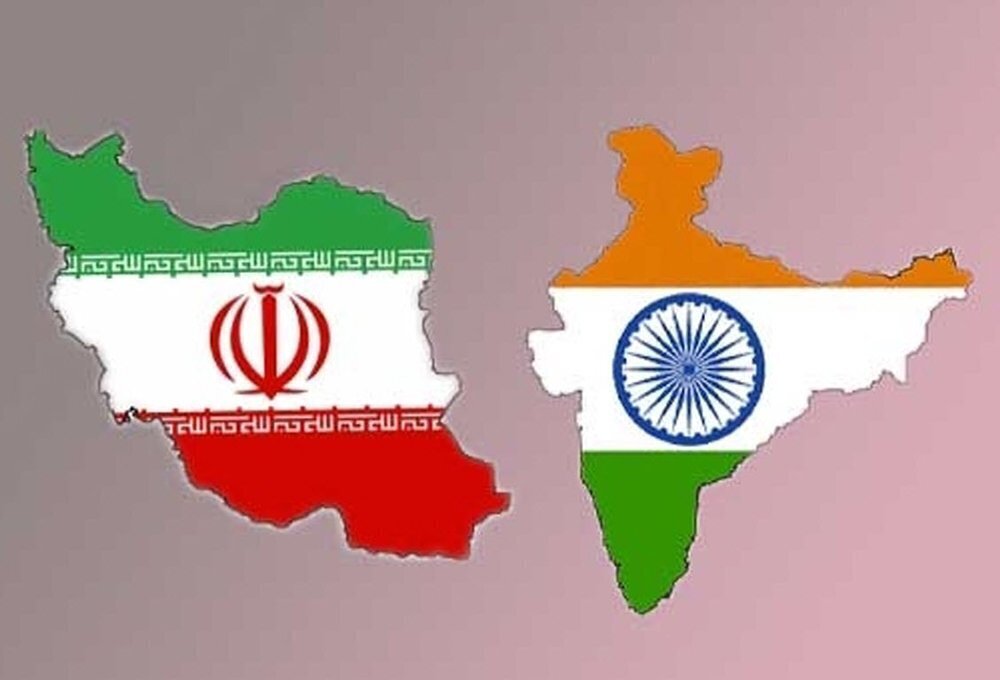
Why Is India Tightening the Screws on Iran Now?

India, one of Iran’s key trading partners and the country tasked with developing a strategic Chabahar port for the Islamic Republic, has seized three tankers carrying smuggled Iranian oil in waters near its coast. Despite the Indian Coast Guard’s announcement of the seizures, the Iranian government has so far remained silent—underscoring the risks Tehran faces from escalating tensions with

Why Is India Tightening the Screws on Iran Now? Read More »

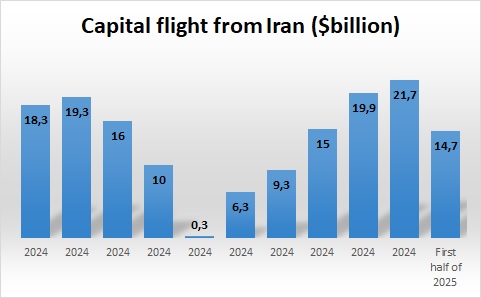
Money is leaving Iran faster as oil income falls and uncertainty mounts

Capital flight from Iran is accelerating just as oil revenues decline, according to new data from the Central Bank of Iran—a convergence that helps explain the sharp fall of the national currency in recent months. Central bank (CBI) figures show that, even before accounting for sanctions-evasion costs or discounts offered to Chinese buyers, the nominal

Money is leaving Iran faster as oil income falls and uncertainty mounts Read More »