
Iran’s National Petrochemical Company has announced a blanket ban on the export of “all petrochemical products” until further notice.
The stated aim of the decision is to “stabilize the domestic market and prevent shortages of feedstock and raw materials.”
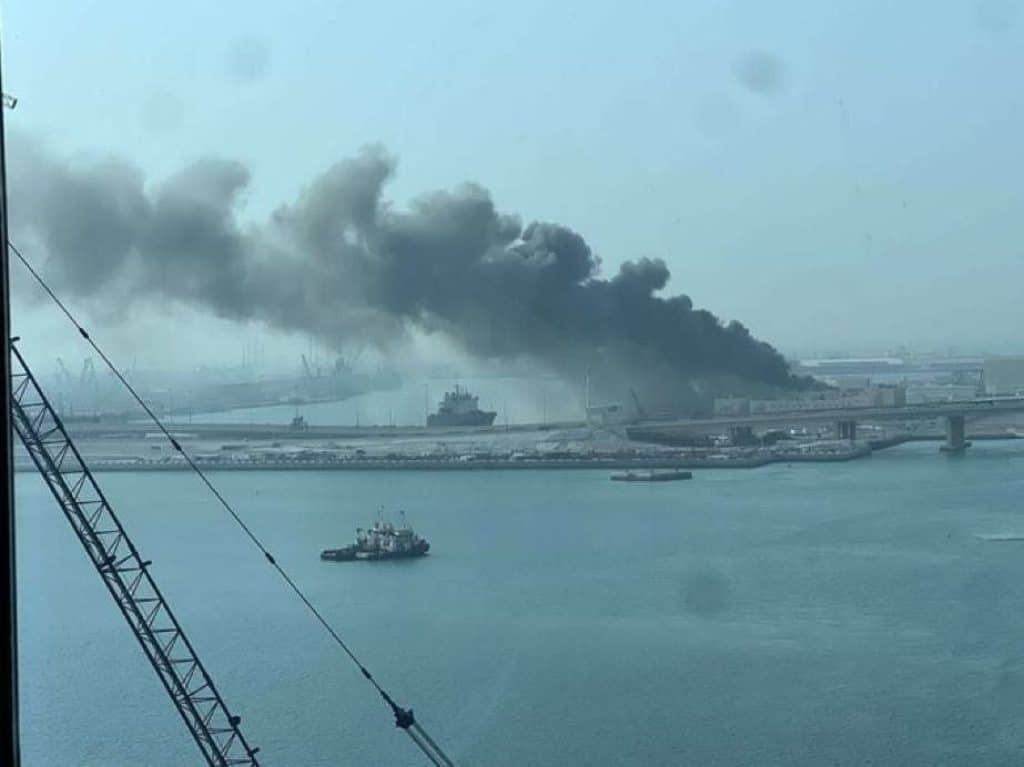
During the recent 39-day war, Israel carried out extensive strikes on Iran’s petrochemical facilities, particularly in Asaluyeh and Mahshahr, which together account for 76% of the country’s petrochemical output.
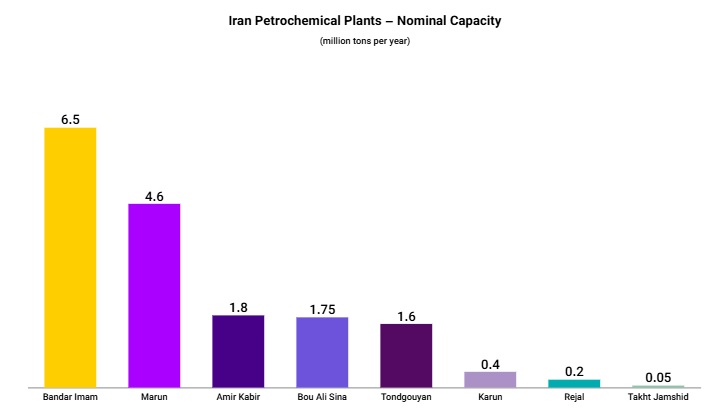
Mahshahr alone represents 28% of Iran’s petrochemical production. According to assessments by the Iran Open Data Center, eight major complexes—Bandar Imam, Marun, Amir Kabir, Bou Ali Sina, Tondguyan, Karoun, Razi, and Takht-e Jamshid—have suffered heavy destruction. With a combined capacity of 17 million tons, these facilities account for around 60% of Mahshahr’s total petrochemical production capacity. Other complexes in the region have also been rendered inoperative due to damage to auxiliary infrastructure, including power plants.
Asaluyeh, which accounts for 48% of Iran’s petrochemical production, has likewise been hit. Strikes on critical supporting infrastructure—such as power generation units as well as oxygen and water supply systems—have brought production across all complexes in the region to a halt.
There have also been reports of damage to other petrochemical facilities, including in Tabriz. The public relations office of Tabriz Petrochemical Company had previously stated that reconstruction of damaged units would begin in June and take more than a month. However, no official estimates have yet been released regarding the full extent of damage or the timeline required to restore operations in Asaluyeh and Mahshahr.
Meanwhile, Najmeh Jamshidi, an economic journalist and editor-in-chief of Energy Press, wrote on X (formerly Twitter) that, based on information obtained from the companies themselves, “reconstruction of Asaluyeh will take more than six months, while Mahshahr may require around two years.”
Iran produces around 74 million tons of petrochemical products annually, of which approximately 29 million tons—less than 40%—are exported, with the larger share consumed domestically.
With roughly three-quarters of the country’s petrochemical production capacity now offline, the Islamic Republic is not only forced to halt exports but may also need to import such products if facilities are not restored in the medium term.
Iran had previously earned between $13 billion and $15 billion annually from petrochemical exports, making it the country’s second most important source of foreign currency revenue after oil.
The original article was published on VOA Persian